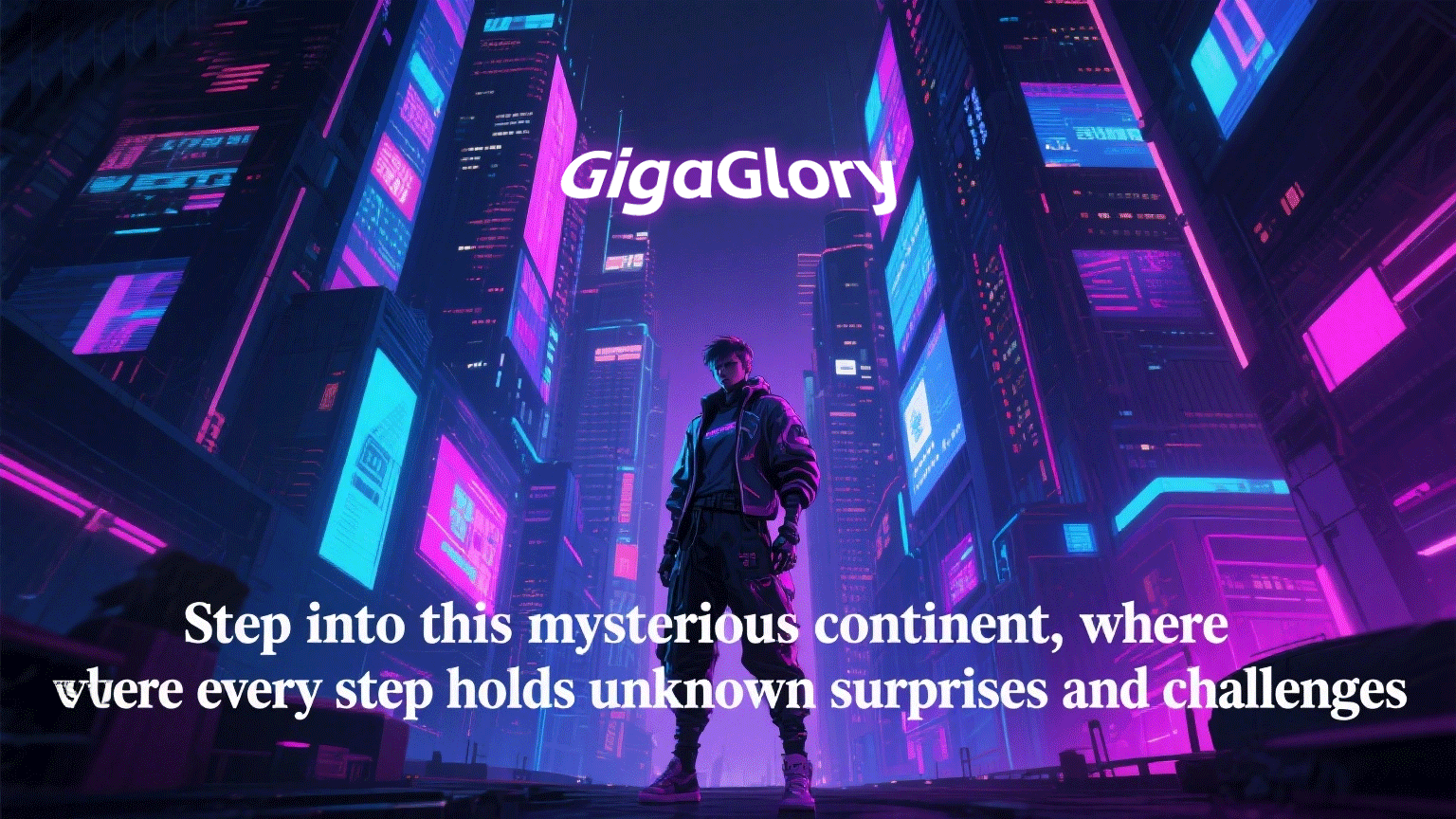
Why RPG Games are Shaping the Future of Interactive Storytelling
In recent years, RPG games have revolutionized how stories are told and experienced in the gaming world. The immersive worlds, engaging characters, and complex narratives allow players to step into roles they never thought possible. But why are RPG games, such as those inspired by Game of Thrones: Knight of Seven Kingdoms, leading this charge in interactive storytelling? Let’s explore what makes these games unique and how they impact storytelling.
The Evolution of RPG Games
RPG games have come a long way from the simple text-based adventures of the early days. Here’s a brief look at their evolution:
- Early Games: Text-based RPGs that focused on decision-making.
- Console Era: Introduction of graphics and sound, enhancing the storytelling experience.
- Open World: Platforms like Game of Thrones: Knight of Seven Kingdoms allowed players to explore vast landscapes.
- Online Multiplayer: Connecting players globally has enriched narratives through shared experiences.
Intimacy of Choice in RPGs
One key aspect of RPG games is the player's choice. Unlike linear storytelling, RPGs offer many pathways that can lead to different endings. This intimacy of choice creates a personalized experience. Players can shape their stories based on decisions made, which enhances their emotional connection to the game. Here’s why this matters:
- Emotional Investment: Players feel more invested in characters when their choices have tangible consequences.
- Ownership: Players become co-authors of their stories, leading to a deeper engagement.
- Replayability: Different choices mean different outcomes, encouraging players to replay.
World-Building and Lore
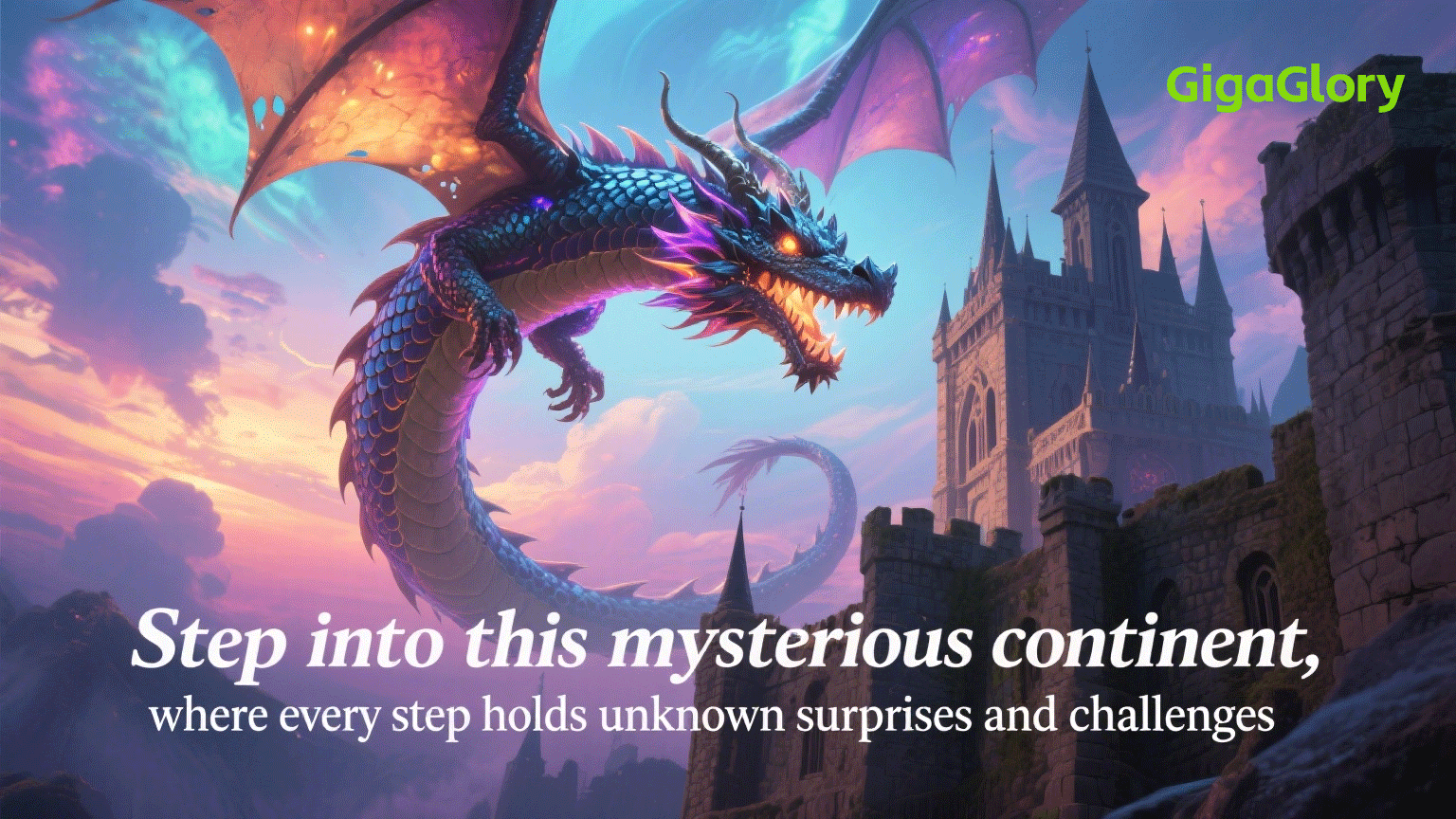
RPG games are known for their rich world-building. Games like Game of Thrones: Knight of Seven Kingdoms offer intricate lore that captures the players' imagination. Well-crafted worlds provide a backdrop where stories come alive. Things to consider include:
| Elements of World-Building | Description |
|---|---|
| Culture | Diverse cultures create unique interactions. |
| History | Backstories provide depth to current events. |
| Environment | Immersive environments enhance gameplay. |
Character Development and Interaction
RPGs excel in character development, where players can bond with characters throughout their journey. Complex characters with their own backstories and motivations add layers to the narrative. This development encourages players to engage deeply, creating meaningful connections. Key features include:
- Dynamic Relationships: Relationships evolve based on player interactions.
- Character Arcs: Characters grow and change in response to the player’s choices.
- Dialogue Trees: Conversations become personalized, impacting future interactions.
The Role of RPG Horror Maker Games
In the realm of interactive storytelling, RPG horror maker games have carved out a niche that combines fear with narrative depth. These games often present chilling experiences that test players' choices amid psychological horror. Critical aspects include:
- Pacing: Tension is crafted through strategic pacing of events.
- Atmosphere: An eerie atmosphere enhances the story, keeping players engaged.
- Surprise Elements: Unpredictability keeps the players on edge, leading to memorable stories.
Community and Collaborative Storytelling
The RPG community plays a substantial role in shaping narratives. Players share stories, create mods, and build worlds that foster a sense of belonging. This collaborative approach to storytelling not only extends the life of games but also adds fresh layers to the narrative. Key points include:
- Fan Contributions: Fans create content that enriches the original narrative.
- Shared Experiences: Communities provide support and shared narratives, enhancing engagement.
- Cultural Exchange: Players from different backgrounds share their perspectives, enriching the storytelling experience.
Conclusion
RPG games are not just about play—they're about creating experiences that resonate. With their focus on player choice, immersive worlds, and collaborative storytelling, they are undoubtedly shaping the future of interactive storytelling. As the technology advances, we can only imagine how these elements will evolve, creating even more compelling narratives. So, whether you’re a fan of traditional RPGs or exploring the chills of RPG horror maker games, you’re part of a dynamic storytelling revolution that continues to captivate players around the globe.